Monday, 27 February 2012

Sunday, 12 February 2012
Film Classification
Different films have different target audiences
The British Board of Film Classification (bbfc) rate all the films before they are released to the public if the film does not fit into the rating criteria it won't be shown, every film that is shown or is to be shown in the UK it has to go through this process. Each film is rated accorded to the contents in the film.
Each film rating has different expectations

For example 'U' is said to be suitable for 4 years and over, but anyone is welcome to see it. It may have some scenes that will upset small children but it is hard to categories what with upset them.
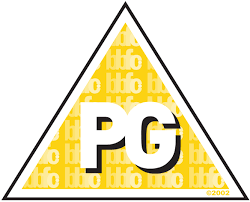
'PG' is again suitable for any age but has more scenes that may upset some children, although children don't have to be supervised parents have to take into consideration whether they think the film is suitable for they're child.
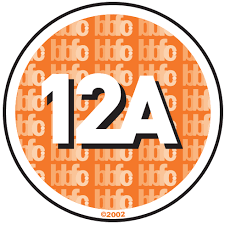
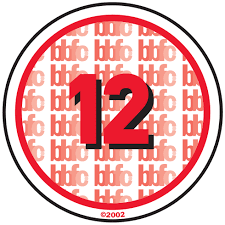
'12A' and '12' are slightly different in they way they are used but the criteria is exactly the same. '12A' is gerally only used in cinemas and no child under the age of 12 is permitted to see this film without and adult. And '12' is only used for video works no child under 12 can buy or rent a film with this rating.

No one under the age of 15 is allowed to see, rent or buy a film rated '15'.

Again like 15 rated films no one under the age of 18 is allowed to rent, see or buy an '18' rated film.
To make our film for a selected target audience we should try and stick to the guidelines the bbfc do to make sure a film will be suitable for who it is aimed at
The hyperlinks posted are detailed facts about what can be included in each classification
The British Board of Film Classification (bbfc) rate all the films before they are released to the public if the film does not fit into the rating criteria it won't be shown, every film that is shown or is to be shown in the UK it has to go through this process. Each film is rated accorded to the contents in the film.
Each film rating has different expectations
For example 'U' is said to be suitable for 4 years and over, but anyone is welcome to see it. It may have some scenes that will upset small children but it is hard to categories what with upset them.
'PG' is again suitable for any age but has more scenes that may upset some children, although children don't have to be supervised parents have to take into consideration whether they think the film is suitable for they're child.
'12A' and '12' are slightly different in they way they are used but the criteria is exactly the same. '12A' is gerally only used in cinemas and no child under the age of 12 is permitted to see this film without and adult. And '12' is only used for video works no child under 12 can buy or rent a film with this rating.
No one under the age of 15 is allowed to see, rent or buy a film rated '15'.
Again like 15 rated films no one under the age of 18 is allowed to rent, see or buy an '18' rated film.
To make our film for a selected target audience we should try and stick to the guidelines the bbfc do to make sure a film will be suitable for who it is aimed at
The hyperlinks posted are detailed facts about what can be included in each classification
Opening sequence analysis #2
(This isn't the original opening scene but I couldn't find the original and I thought this one worked well the soundtrack has been changed)
Jaws is about a great white shark who becomes a menace in a small town and some of the towns people try to stop it. Jaws was released in 1975 and it was directed by the well known director Steven Spielberg and had 2 writers, Peter Benchley and Carl Gottileb, it starred Roy Scheider, Robert Shaw and Richard Dreyfuss.
Although this isn't the original soundtrack I think it works well with the extract. The non-diegetic soundtrack is slow and peaceful creating a calm feeling within the scene and the audience, when something grabs her from underneath the water the soundtrack increases tempo, the soundtrack remains the same throughout the clip until the last couple of seconds when the girl is dragged under the water it stops completely, the only other sound we here is the diegetic sound of the girl laughing and screaming happily.
The editing used in the opening clip works well as there are fast cuts and tracking to help engage the audience it could also be foreshadowing something bad will occur.
Questionnaire
What is your age?
_____
What is your Gender?
Male [ ]
Female [ ]
Do you watch thriller films?
Yes [ ]
No [ ]
Do you like thrillers films?
Yes [ ]
No [ ]
If a new film out is a thriller, would you go and watch it in the cinema?
Yes [ ]
No [ ]
What is your favourite thriller film?
_________________
Why is this film your favourite?
_________________________________________________________
_________________________________________________________
_________________________________________________________
How would you improve the thriller film of your choice?
-______________________________________________
-______________________________________________
-______________________________________________
Thank you for your time.
Designed by Emma Urbaniak
_____
What is your Gender?
Male [ ]
Female [ ]
Do you watch thriller films?
Yes [ ]
No [ ]
Do you like thrillers films?
Yes [ ]
No [ ]
If a new film out is a thriller, would you go and watch it in the cinema?
Yes [ ]
No [ ]
What is your favourite thriller film?
_________________
Why is this film your favourite?
_________________________________________________________
_________________________________________________________
_________________________________________________________
How would you improve the thriller film of your choice?
-______________________________________________
-______________________________________________
-______________________________________________
Thank you for your time.
Designed by Emma Urbaniak
Monday, 6 February 2012
Codes and Conventions
Thriller
The genre thriller is similar to horror they both use dramatic music to engage the audience, the non-diegetic soundtrack is normally one of the most important elements to thriller or horror films.
The stereotypical thriller genre uses shadows and dark rooms, and the plot usually takes place of a night. Not all thriller films stick to the conventions, Photobooth is one film that doesn't stick to codes and conventions as it is not filmed of a night and mostly takes place during the day, although the film doesn't fit this convention it does fit the convention of mystery. Quick cuts and slow panning is used to create the effect of panic, suspense and creates tension within the audience
Romance
The romance genre is easy to define as it always ends with two people falling in love normally the storylines are similar with either where the two people can't be together or they don't like each other to begin with, normally when romance is involved it is a hybrid genre for example romance comedy. The soundtrack is normally slow romantic music and normally the main instrument is the violin, one of the most known romantic films is Romeo and Juliet, this follows the conventions of they aren't allowed to be together another film that follows this convention is Dear John
Action/Adventure
There is always a hero and a villain, and a love interest normally the hero has to save the love interest and in a normal stereotypical action/adventure film the hero is a man and the love interest is a women but in recent years heroines are becoming more and more popular, action/adventure films normally become a film franchise such as Indiana Jones which stars Harrison Ford, The Die Hard films starring Bruce Willis and The Bourne films starring Matt Damon are some film franchises that follow all the conventions of action/adventure. Normally the hero has a weakness for example John McClane in Die Hard is scared of heights and Indiana Jones is afraid of snakes.
Science-Fiction
Is normally filmed in outer space and in the future the Star Wars films are a prime example of sic-fi films. The Star Wars films follow all the codes and conventions of sci-fi films as they are set in outer space with future technology which doesn't actually exist in today’s world
The genre thriller is similar to horror they both use dramatic music to engage the audience, the non-diegetic soundtrack is normally one of the most important elements to thriller or horror films.
The stereotypical thriller genre uses shadows and dark rooms, and the plot usually takes place of a night. Not all thriller films stick to the conventions, Photobooth is one film that doesn't stick to codes and conventions as it is not filmed of a night and mostly takes place during the day, although the film doesn't fit this convention it does fit the convention of mystery. Quick cuts and slow panning is used to create the effect of panic, suspense and creates tension within the audience
Romance
The romance genre is easy to define as it always ends with two people falling in love normally the storylines are similar with either where the two people can't be together or they don't like each other to begin with, normally when romance is involved it is a hybrid genre for example romance comedy. The soundtrack is normally slow romantic music and normally the main instrument is the violin, one of the most known romantic films is Romeo and Juliet, this follows the conventions of they aren't allowed to be together another film that follows this convention is Dear John
Action/Adventure
There is always a hero and a villain, and a love interest normally the hero has to save the love interest and in a normal stereotypical action/adventure film the hero is a man and the love interest is a women but in recent years heroines are becoming more and more popular, action/adventure films normally become a film franchise such as Indiana Jones which stars Harrison Ford, The Die Hard films starring Bruce Willis and The Bourne films starring Matt Damon are some film franchises that follow all the conventions of action/adventure. Normally the hero has a weakness for example John McClane in Die Hard is scared of heights and Indiana Jones is afraid of snakes.
Science-Fiction
Is normally filmed in outer space and in the future the Star Wars films are a prime example of sic-fi films. The Star Wars films follow all the codes and conventions of sci-fi films as they are set in outer space with future technology which doesn't actually exist in today’s world
Subscribe to:
Comments (Atom)